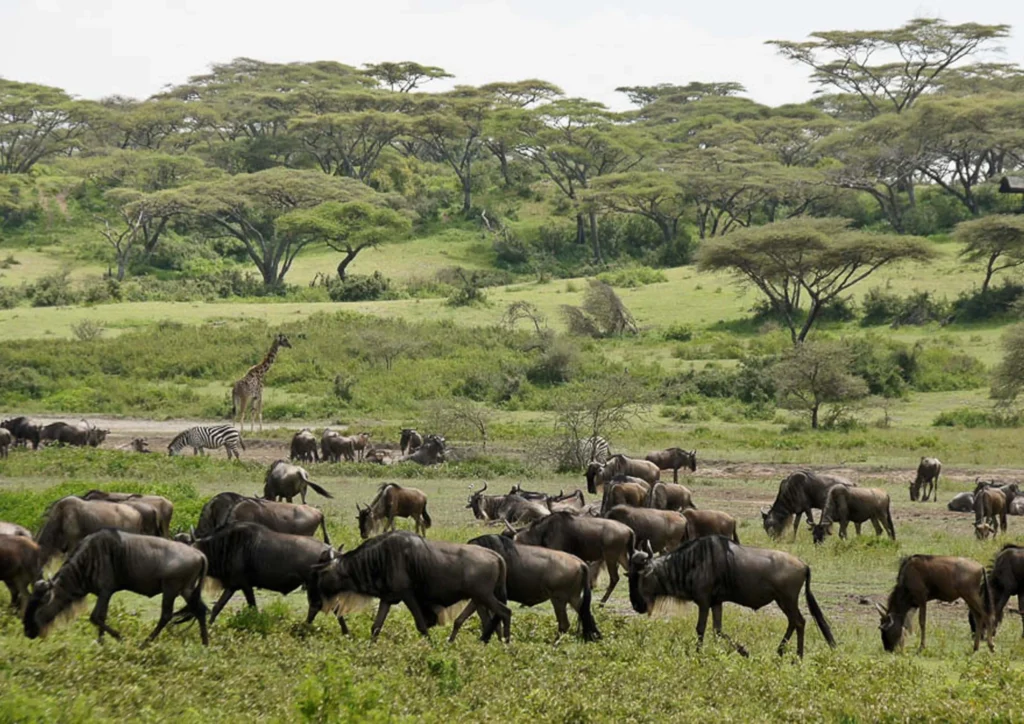
Tarangire National Park, located in northern Tanzania approximately 120 kilometers southwest of Arusha, is one of the key parks within Tanzania’s renowned northern safari circuit. Established in 1970, the park covers about 2,850 square kilometers and is characterized by rolling savannah, seasonal swamps, river valleys, and scattered acacia woodlands. The lifeline of the park is the Tarangire River, a permanent water source that attracts large concentrations of wildlife and sustains the ecosystem during dry periods. Tarangire is especially famous for its iconic baobab trees, some of which are hundreds of years old, creating a unique and dramatic landscape unlike any other park in Tanzania.
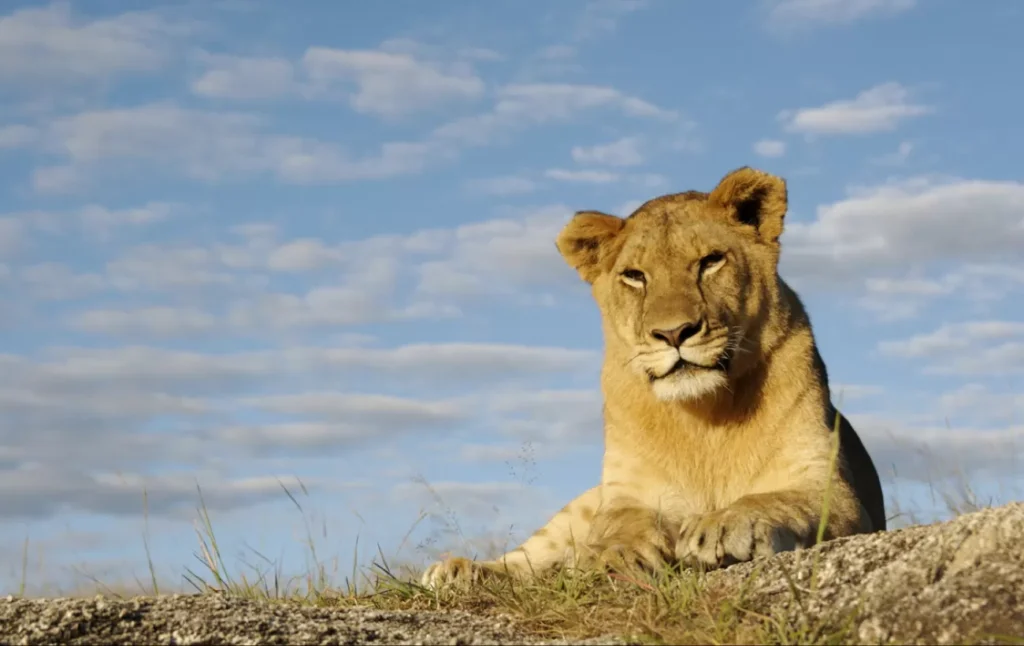
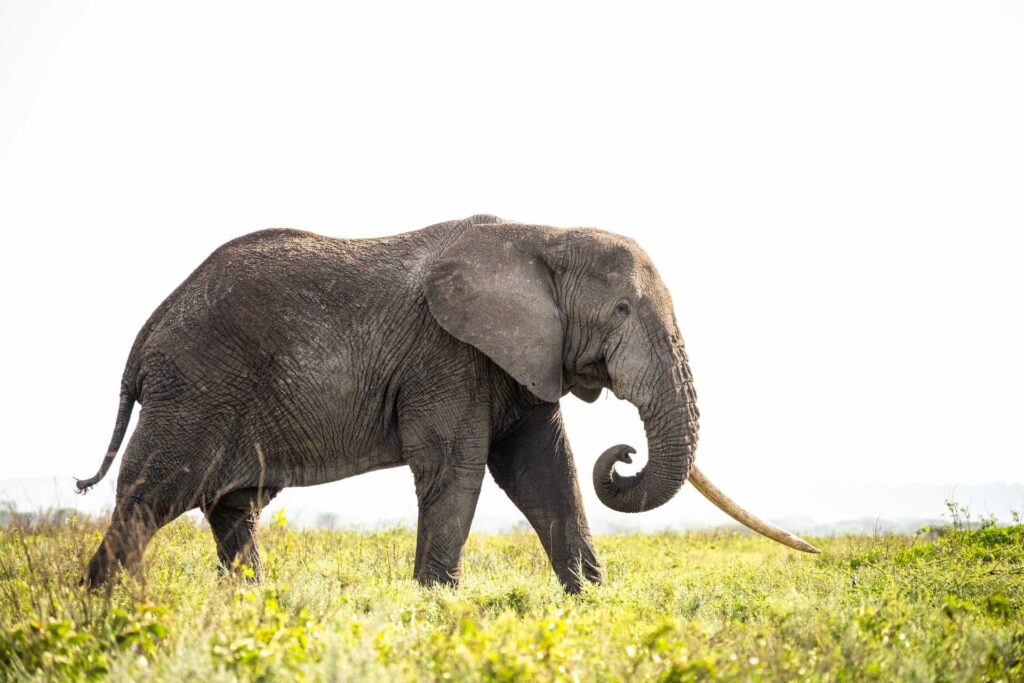
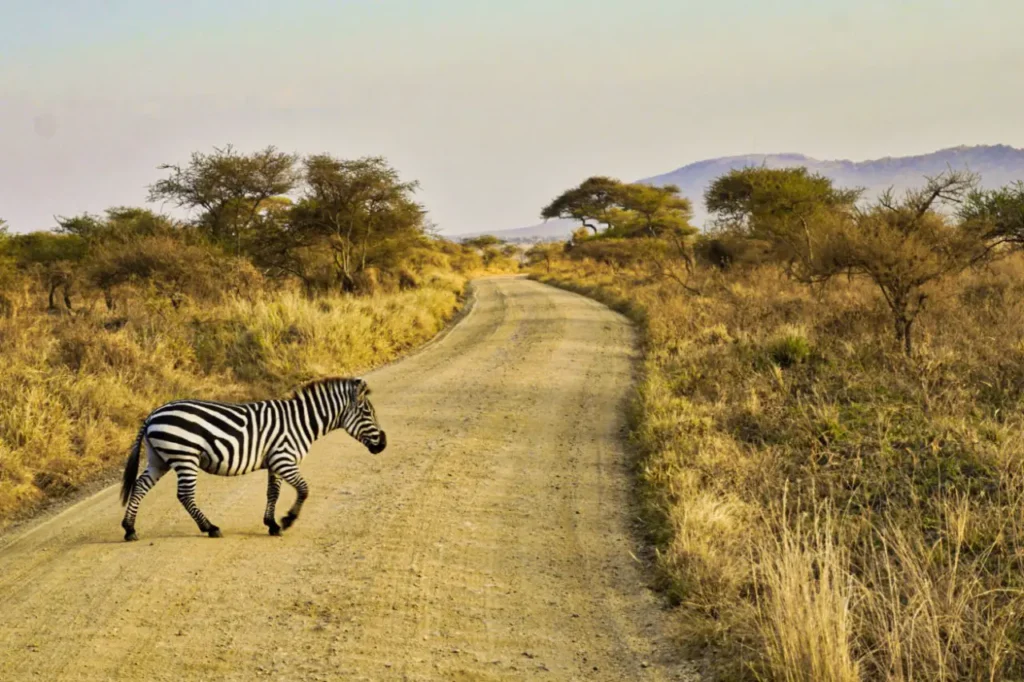
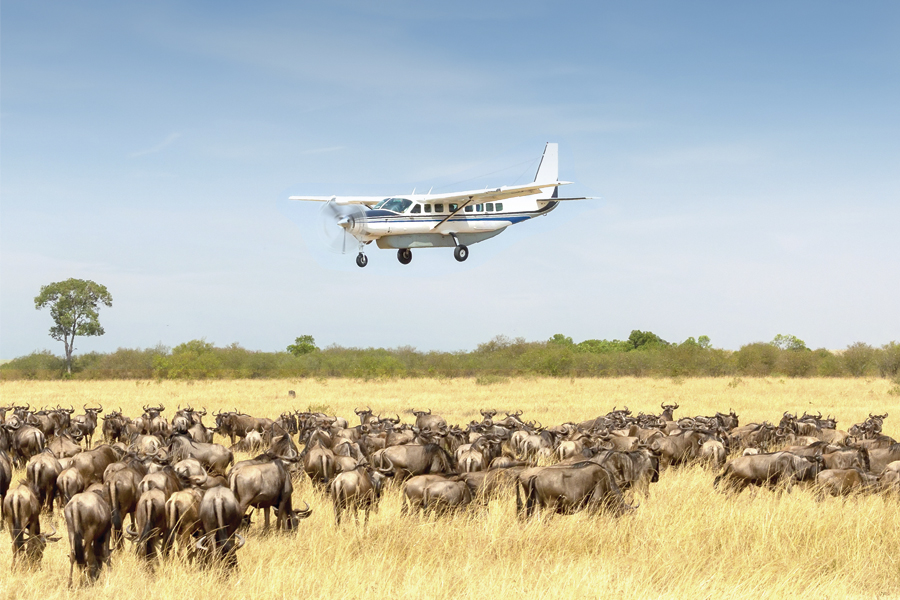
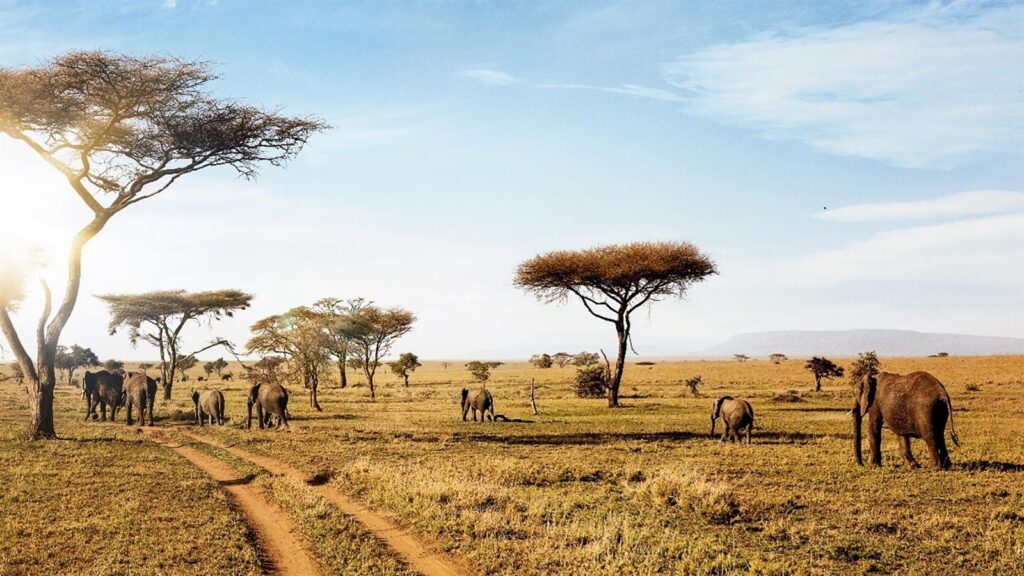
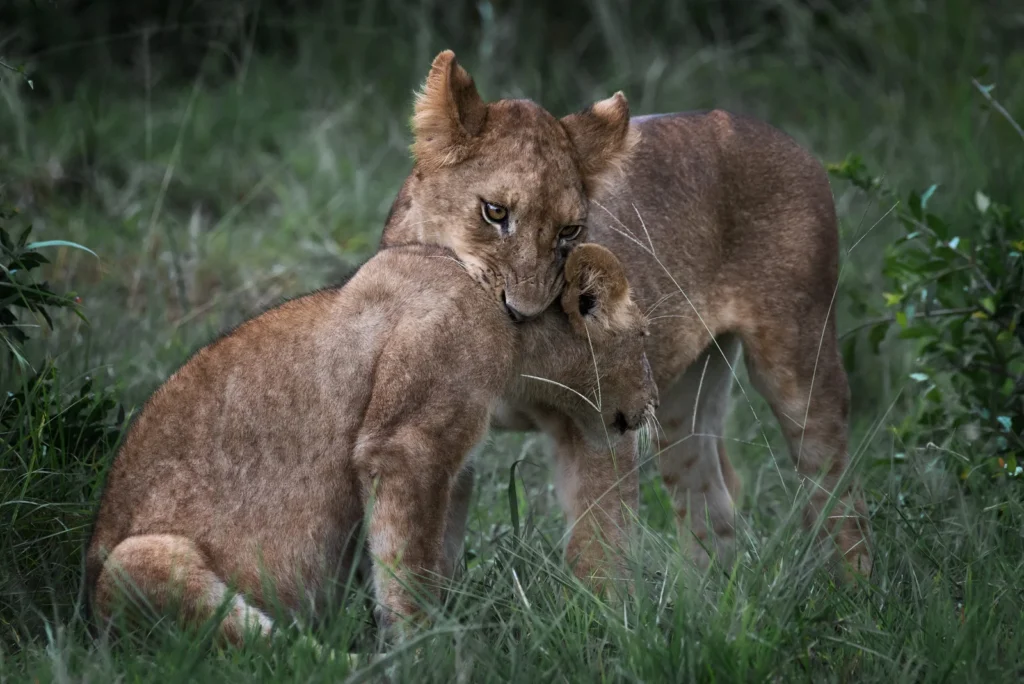
The park is best known for hosting some of the largest elephant herds in East Africa, often seen in groups of up to 200 individuals near the riverbanks. Tarangire supports a rich diversity of wildlife, including lions, leopards, cheetahs, buffalo, giraffes, zebras, wildebeest, and rare species such as fringe-eared oryx and greater kudu. It is also a birdwatcher’s paradise with over 550 recorded bird species. During peak wildlife movement, thousands of animals migrate into Tarangire from surrounding areas, making it a vital part of the greater ecosystem. With its striking baobab-dotted landscapes, dense elephant populations, and important river system, Tarangire National Park offers one of the most distinctive and wildlife-rich safari experiences in Tanzania.